

College of Human Sciences pre-health pathways continue impressive growth for future medical professionals
College of Human Sciences pre-health pathways continue impressive growth for future medical professionals
Designed for students planning to pursue graduate study in areas such as medicine, dentistry, occupational therapy, physical therapy and other health professions, the pre-health pathways guide students through rigorous coursework while helping them build competitive applications for professional programs.
Students in the College of Human Sciences can pursue these pathways through several majors, including Nutrition Science, Nutrition/Dietetics, Human Development and Family Science and Global Studies. Each provides a strong science-based curriculum while also emphasizing the human, behavioral and global factors that influence health and wellbeing.
Nutrition’s growing role in overall health is gaining national attention. Recently in Washington, D.C., the U.S. Department of Health and Human Services and the U.S. Department of Education convened leaders from 53 of the nation’s top medical schools across 31 states, announcing a commitment to require meaningful nutrition training for future physicians beginning next academic year.
In many ways, Auburn University’s College of Human Sciences is already ahead of this shift in medical education. The participating medical schools have pledged to provide at least 40 hours of nutrition education — or a 40-hour competency equivalent — for students beginning in fall 2026, underscoring the increasing importance of nutrition in modern health care.
“Medicine is always evolving and the past few years we’ve certainly seen it shift towards fitness, nutrition, exercise-based medicine and a big emphasis on preventative healthcare,” said Carmichael. “The College of Human Sciences really does provide you with a well-rounded foundation and background to set you up for success especially as we go toward a preventative model of medicine — nutrition will be vitally important for that.”
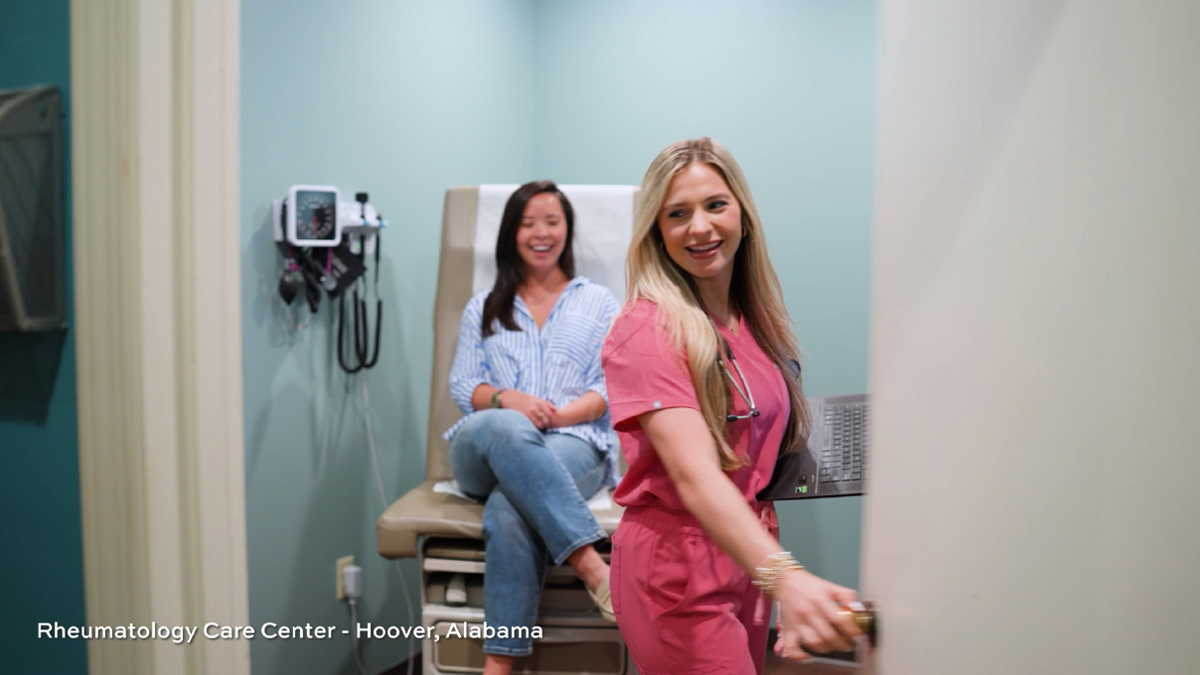
Kennedy Chizik, physician assistant and College of Human Sciences alumna, works as a PA in rheumatology mainly working with autoimmune patients and the pre-health pathway helped her realize she had a better option tailored for her specific academic goals.
“I really wanted a more preventative and functional medicine background because of the way medicine is shifting now,” said Chizik. “Through studying dietetics in the College of Human Sciences, there was a lot of focus in the program around motivational interviewing, health fairs and career fairs and treating unique patient populations like athletes and that was a really cool thing that did make me stand out in my application process. Having a holistic approach to treating the whole person is extremely valuable in clinical practice and helps improve patient outcomes and be a more well-rounded provider.”
Since the inception of the pre-health pathway less than 10 years ago, the program within the College of Human Sciences has grown exponentially. Beginning with just seven students making up the inaugural pre-health pathway class, that number now stands closer to 150 students and the interest continues to grow.
“Seeing alumni like Bishop and Kennedy excel in their respective medical fields is incredibly rewarding,” said College of Human Sciences Dean Susan Hubbard. “Their success reinforces the value of a nutrition science background along with a holistic understanding of health and affirms that our approach is preparing graduates not only to enter the medical profession, but to make a meaningful difference in the lives of the patients and communities they will serve.”
Another integral part of the pre-health program is the role the pre-health advisor plays for students who guide them through all of the requirements outside of the classroom that will make them a well-rounded and competitive applicant to the professional program of their choice.
“The College of Human Sciences pre-health program is a little bit smaller than the other programs and so it really lets you have an individualized relationship with your advisor,” said Carmichael. “That lets them have a more personalized approach to giving you specific feedback for your application.”
“We have had 100% placement rate multiple times over the past five years in every single pre-health category,” said Linda Bruner, College of Human Sciences advisor and pre-health student services coordinator. “We were able to reach those high percentage placement numbers because of the personal touch along with rigorous academic preparation. It’s well balanced because it’s the academic rigor with the personal and relational touch.”
With growing interest from students seeking meaningful careers in health care, registration for the College of Human Sciences pre-health pathways is now open to incoming students.